Design Projects
Eclipse Inc.
Writers and Illustrators
of the Future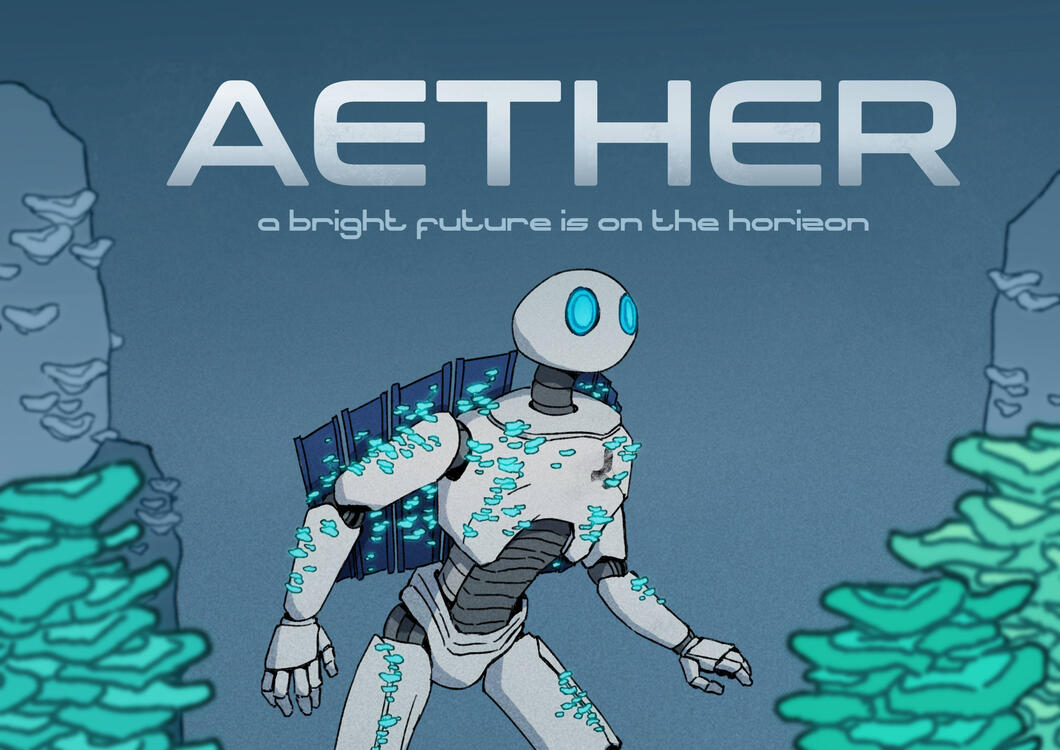
AETHER
![Slinky (Fringe Festival Mascot)]()
Slinky (Fringe Festival Mascot)
![Bramble Brandybuck (The Lord of the Rings)]()
Bramble Brandybuck
(The Lord of the Rings)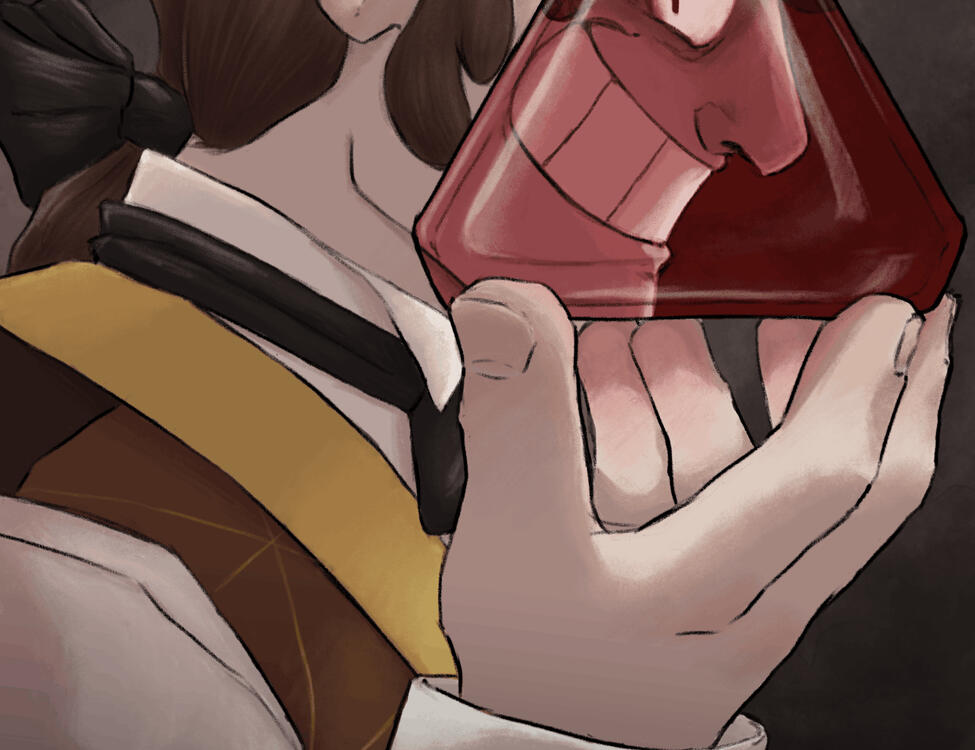
Strange Case

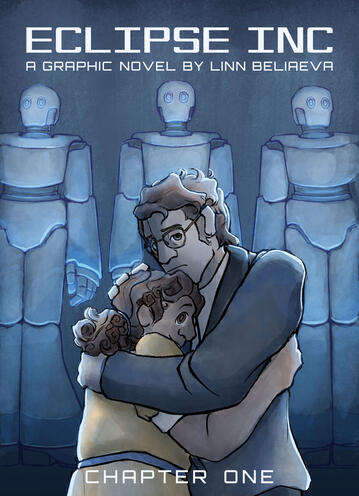
Eclipse Inc. is a sci-fi worldbuilding project, presented as a digitally illustrated graphic novel exploring AI narratives in an alternate history 1970s setting. The project focuses on AI narratives: the contrast of AI's depiction in science fiction, versus its real-world use and effects. The hope is to use the modern discussions and concerns surrounding artificial intelligence to provide retro sci-fi concepts with additional depth that they physically couldn’t have had when these concepts were still more speculative.The capstone of the university project was planned to be the development of a printed prologue chapter, which introduces the story's main concepts and key characters, and reveals the company founder's personal motivations to not shut down the project despite the widespread public outcry.Unfortunately, I didn't have enough time to complete producing the prologue chapter before the end of the semester, but I may still continue to develop this project in the future.


AETHER
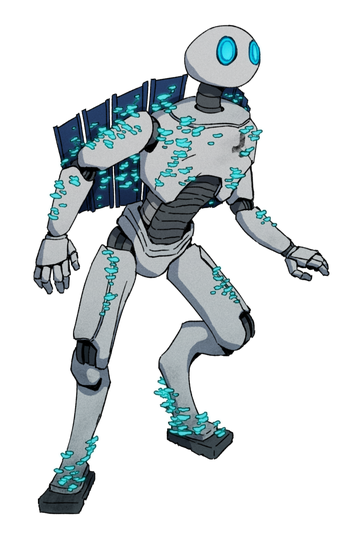
A worldbuilding project where designers were tasked with developing a story exploring the Anthropocene, the effect humanity has had on the planet, and which it may have on future ones.The project was centered around the core issue of renewable energy, which developed into a story centered on two colonies of solar-powered robots - AETHER and HEMERA - and what would happen if these two models both ended up on planets with insufficient sunlight to fully power them. AETHER serves as the protagonist, and reflects a more symbiotic, environmentally-conscious relationship via bioluminescence. HEMERA focuses on chemiluminescence and destructive, non-renewable energy sources.The project was unfortunately underdeveloped, and ideally would have included more exploration of the planet's ecosystem itself, but this wasn't accomplished due to time constraints.


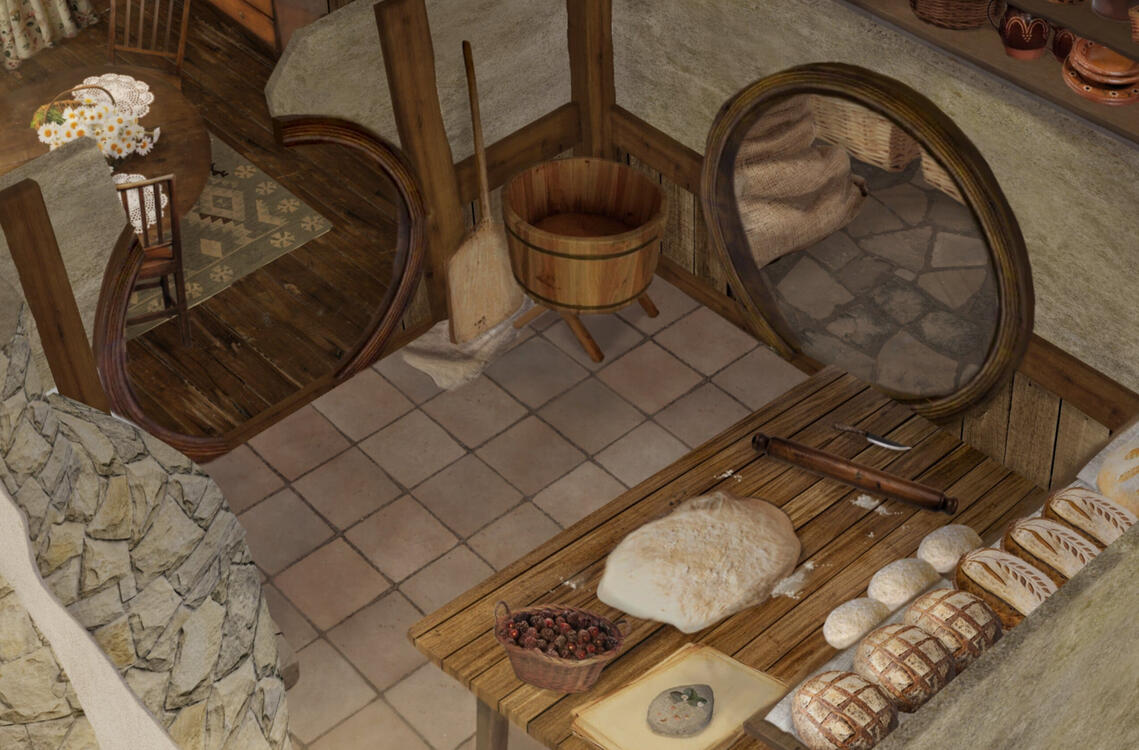
Bramble Brandybuck
A project made up of two modules, wherein the designer was asked to cast themselves as a supporting character within an existing franchise, and create a character design, environment, and a supporting prop and creature. All of these had to be created with considerations to the design rhetoric of the existing franchise, but also the designer's personal cultural anthropology, and Māori ideas of puna and kaitiakitanga.
The resulting character is that of Bramble Brandybuck - a baker in the Shire who displays kaitiakitanga (or guardianship) over her bakery and special sourdough starter. She powers through her day with coffee from a Dwarven cezve that she bought off a traveling merchant, and persistently protects her garden from a wild jumping goat that doesn't know when to quit.


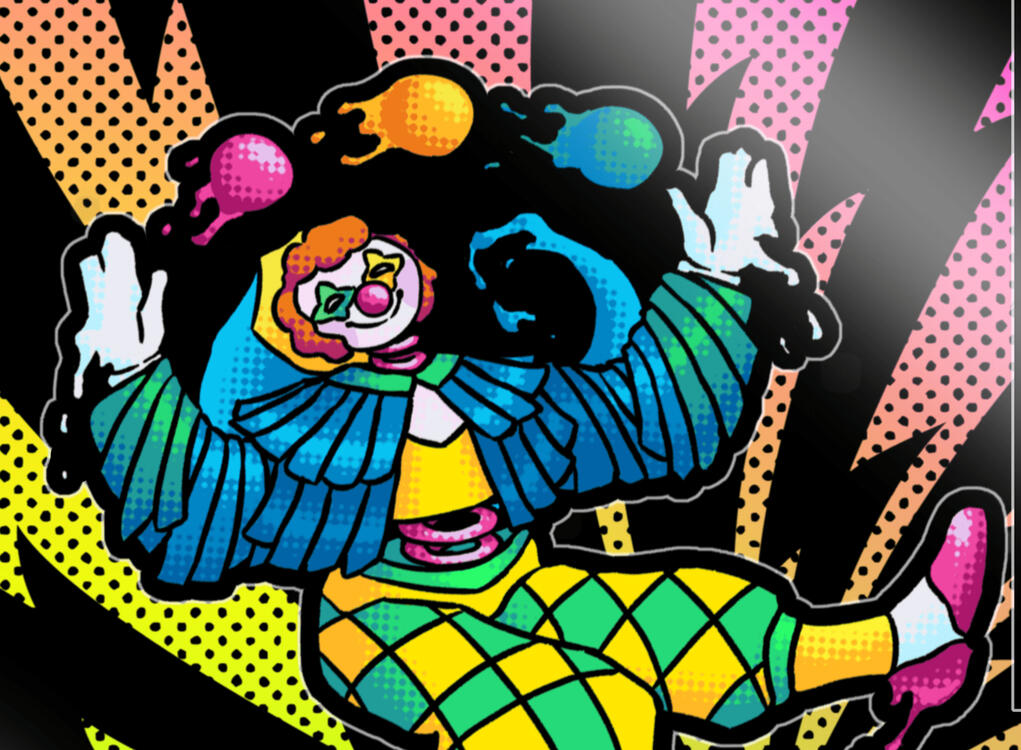
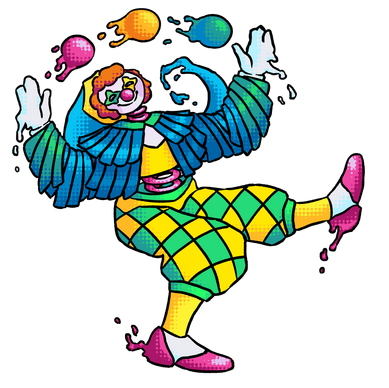
Slinky
This project involved researching and selecting an NZ-based company/organization, and then developing and illustrating a product mascot/advocate that encapsulates their identified brand essence and values.
Slinky - a non-binary jack-in-the-box clown - is meant to capture New Zealand Fringe Festival’s colourful, lively and fun nature, and their design process primarily focused on making them appealing for older teenagers, young adults, and the LGBTQIA+ community.


Strange Case AU
Contains Spoilers for Gravity Falls
Strange Case is a multiyear, multimedia passion project and personal art exploration that has served as the gateway to many connections and opportunities within the Gravity Falls fandom.The core concept of this AU (alternate universe) is reimagining the 1970s/80s cast and events of Gravity Falls (primarily Stanford Pines and his paranormal research period and collaboration with Fiddleford McGucket) as the cast and rough events of the Strange Case of Dr. Jekyll and Mr.Hyde novel, and with elements from the Jekyll & Hyde musical.This project so far has involved history and media research, character design, digital and traditional illustration, comic development, typography and tweening animation.


The project has made an appearance in the fan-made, non-commercial Gravity Falls: Parallel Station zine. The project consisted of both written pieces and digital illustrations, and was aimed at "celebrating the vast, weird, and wonderful multiverse of fan-made AUs", and "shining a spotlight on the creativity of the fandom."The final output was a piece reimagining the AU as a TV show of a given existing genre (in this case a cooking show).


Writers and Illustrators of the Future
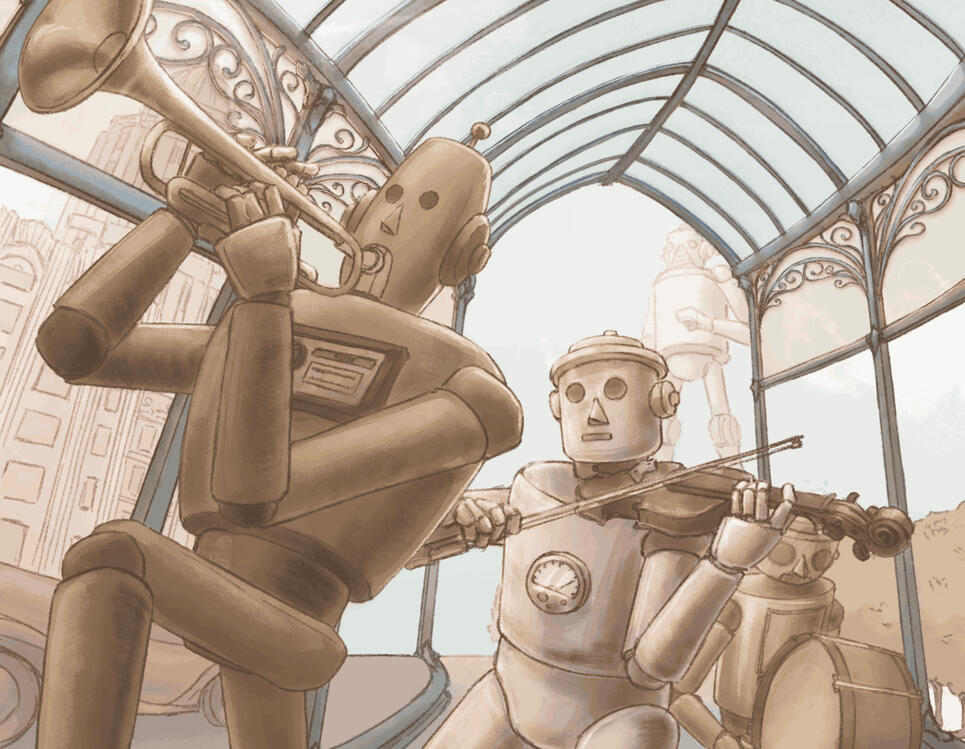
A series of illustrations for L. Ron Hubbard’s Illustrators of the Future Contest. Said contest favours illustrations with a clearly conveyed narrative.The three pieces in this entry use the albums of electro swing band Caravan Palace to form a cohesive narrative (with the first two pieces being primarily "swing", and the last presented as more "electro").The first piece, Panic, is inspired by 1920s jazz, Art Nouveau architecture, and the works of Alphonse Mucha.
The second piece, Gangbusters Melody Club, focuses more on 1930s organized crime, and the US prohibition era.
The last piece, Robot Face, is inspired by 1980s nightclubs and robots.While the primary outcome of the project was the illustrations themselves, a number of robot concepts were explored in order to create a cohesive look for each decade, using both existing robots and retrofuturistic media as reference. While not relevant to the contest, the illustrations were reformatted back into album covers, coming full circle to the beginning of the project.The illustrations were voted Semi-Finalist for the Third Quarter, 2026.


